Businesses Stepping up for Democracy: Ep. 2
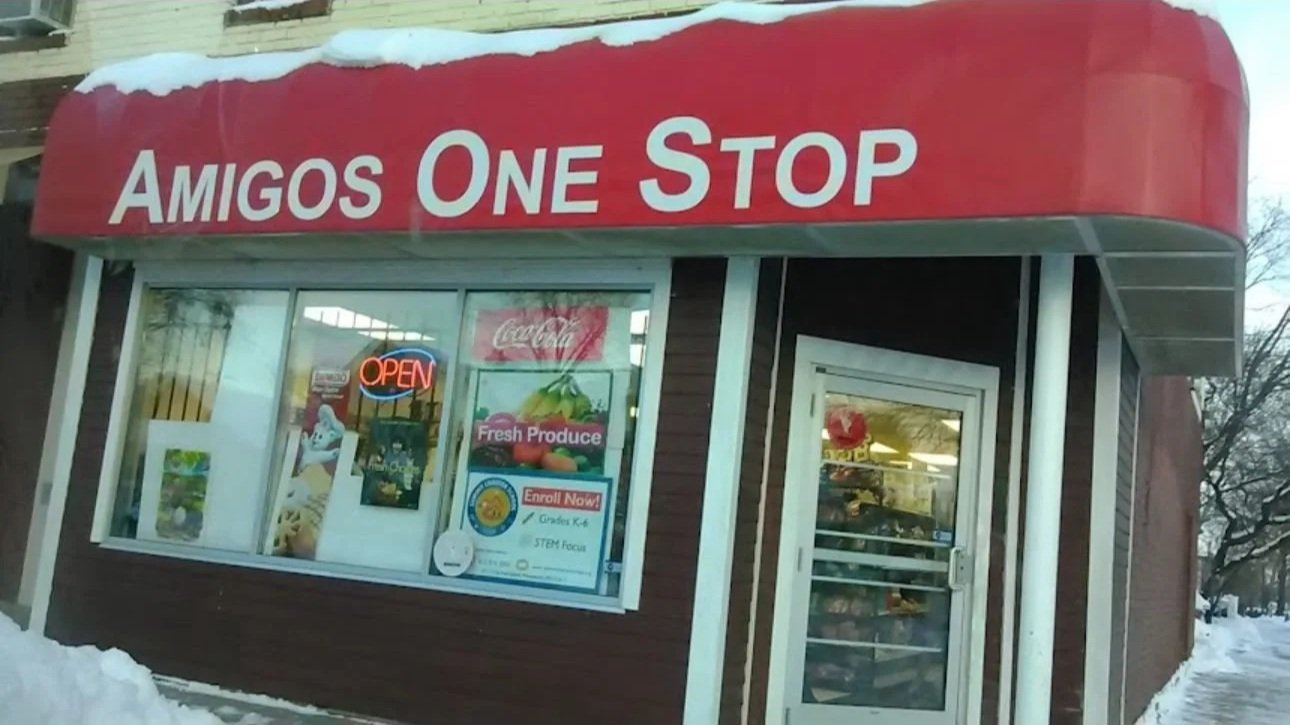
Standing With Community: How Amigos One Stop Became a Lifeline During Crisis
Ammar and his family didn't set out to build a delivery business.
When Ammar, his brother, and father put down $1,000 to secure Amigos One Stop—promising the remaining $49,000 with nothing but a handshake—they were focused on building a convenience and grocery store business that could support their family and serve the community.
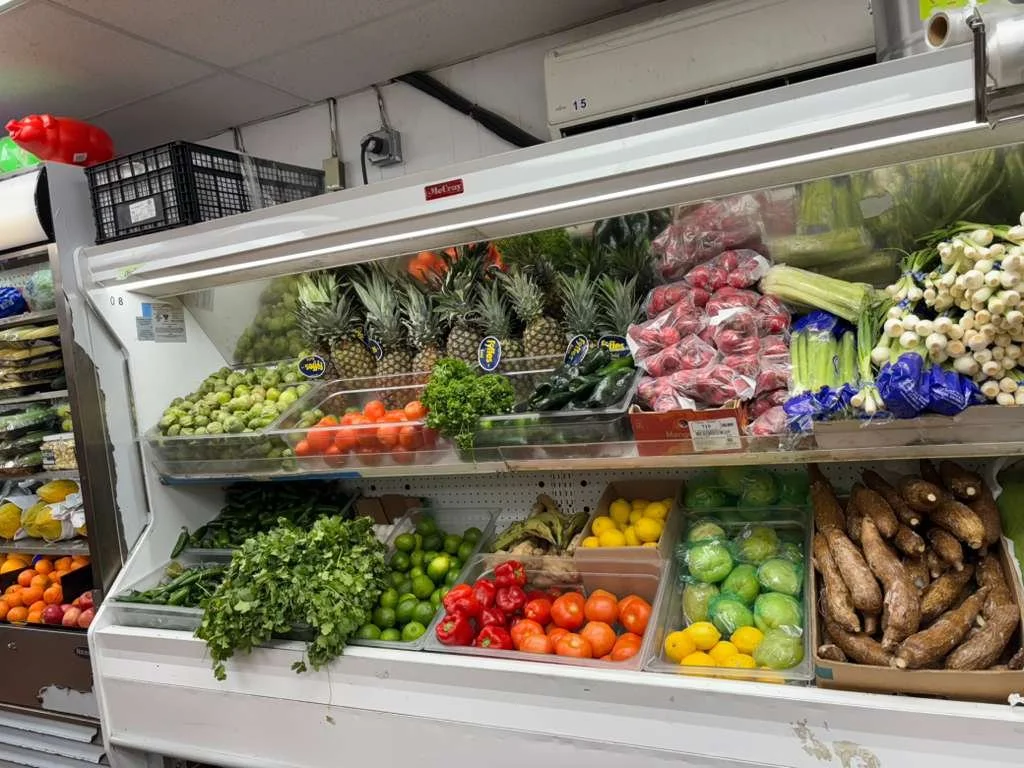
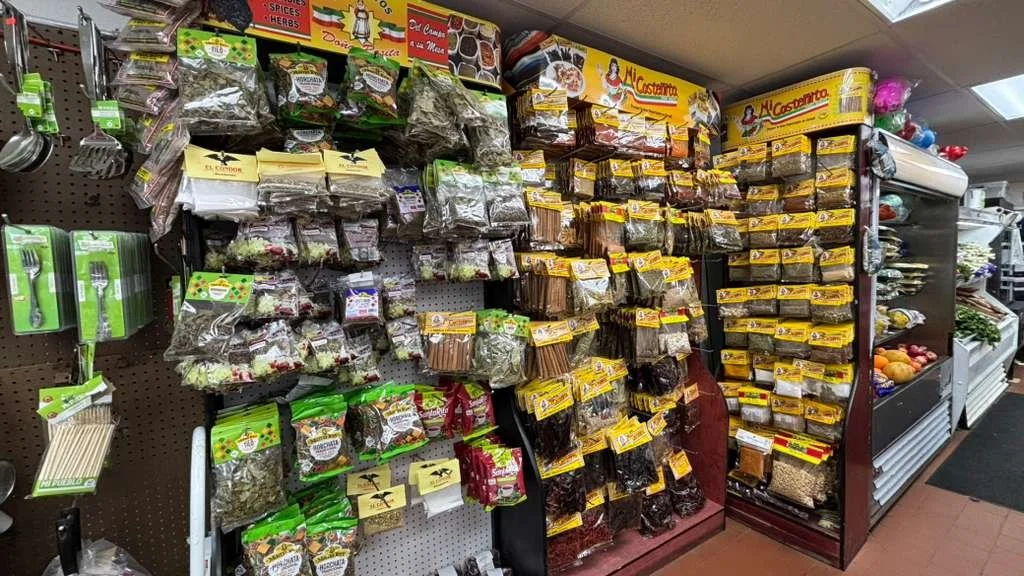
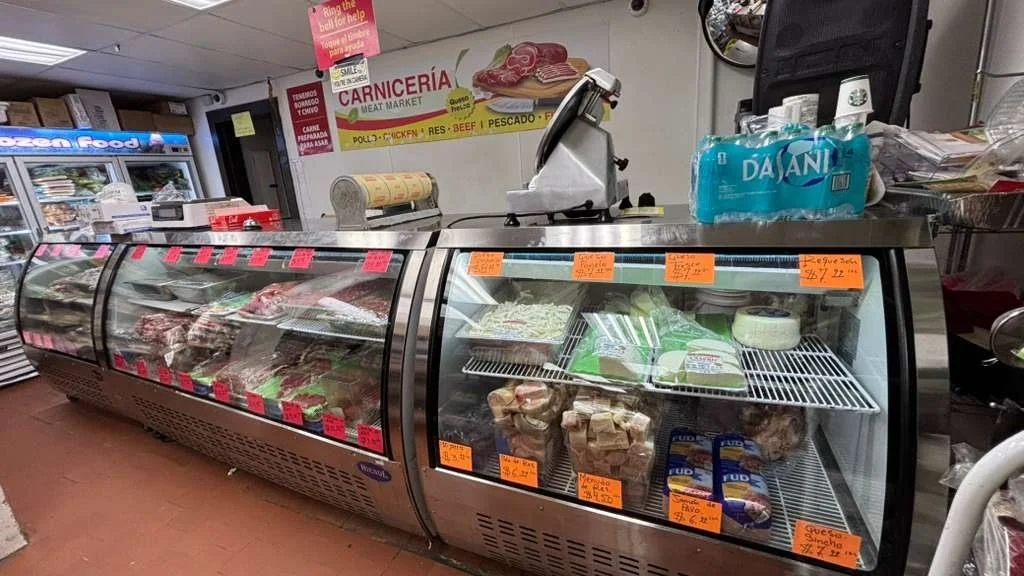
They worked without employees for that first year, every dollar going toward the business loan payments and slowly transforming the store into something the neighborhood truly needed: a grocery selling fresh meat cut to order, Ecuadorian specialties at fair prices, and produce that reflected the Latino community around them.
Fifteen years later, with eight full-time employees, two part-time employees, and a thriving business offering everything from bill payments to check cashing to quality food, the small corner store has become a cornerstone of South Minneapolis.
Ammar's multicultural background—born in the Middle East, raised in South America, fluent in Spanish and Portuguese—allowed him to build deep relationships with customers who saw the store as more than a business. It was theirs.
Then in December 2025, everything changed.
When Fear Empties the Streets
As ICE agents began patrolling Minneapolis neighborhoods, Ammar watched his business transform overnight. For the first time since opening, sales started to drop.
Many customers who once visited the store daily for fresh produce or meat stopped coming because they were too afraid to leave home. Others now sent their (U.S. born) children with grocery lists, ten-year-olds navigating the cold Minnesota winter. The store’s check-cashing service—crucial for families living paycheck to paycheck—plummeted by more than 50%. .
“We just wish this thing to end—all this chaos, just to end,” said Ammar, speaking of the devastating impacts his customers have been experiencing.
ICE vehicles circled the store. Legal residents with five-year work permits—documents issued by the very government now hunting them—were being detained. One customer was arrested steps from the store after cashing her paycheck, leaving her child waiting at school. Another came into the store, planning to make one quick purchase and then dash back out to her warm car where she had left her eight-month-old baby sleeping, when suddenly ICE agents pulled up in the parking lot. Terrified to go out, she panicked. Ammar immediately ran out into the cold afternoon with his customer’s car key, scooped up the sleeping baby, and brought her into the safety of the store.
“Stop focusing on hardworking people, people that just try to make it,” Ammar said of how he wished ICE would go away and leave his customers alone.“The only thing they do is homework, family, you know, maybe they take their family to a restaurant. It's just like hardworking people.”
The violence hit close when Renee Good was shot and killed a few blocks away. Ammar suspects she may have been one of the volunteers who had begun helping out with the store. “If they can do that [to] a U.S. citizen…," he said, describing the community's reaction, then what could ICE do to them?
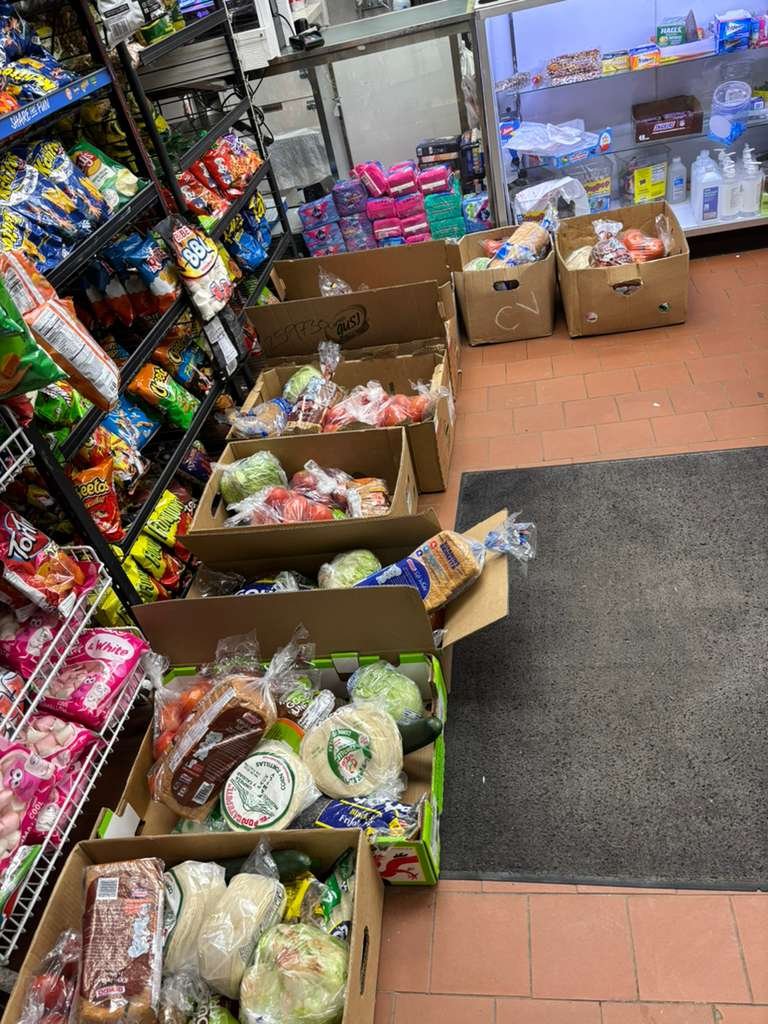
A Radical Pivot to Survival and Solidarity
Amigos One Stop could have closed. Many stores did, unable to adapt when their customer base disappeared from the streets. Instead, Ammar made a choice: if customers couldn’t come to the store, the store would go to its customers.
Overnight, Amigos One Stop became an essential business—a lifeline. Customers call or text their orders directly. Employees pack groceries, call to confirm items, accept payment however families can manage: credit card, cash on delivery, whatever works.
Then, volunteers—neighbors who showed up wanting to help—deliver the food to customers in their homes, who are sometimes worried to answer the door until Ammar calls to confirm it’s indeed one of Amigos’s volunteers.
When families send their children to the store, Ammar’s team and volunteers carefully help each child to find everything on the list, and volunteers then accompany them home.
The logistics are complex. Volunteers navigate language barriers, unfamiliar products, icy roads, and patrolling ICE vehicles to ensure customers receive what they’ve ordered. One volunteer waited in her car while seven sheriff vehicles surrounded a house, knocking repeatedly. She called Ammar to figure out what to do. He said to wait, and after they left she could deliver the groceries to the family hiding inside their own home—which she was finally able to do.
Ammar has also learned to carefully vet volunteers after suspicious individuals started offering assistance. “We don’t know who sent them,” he said.
Speaking of his customers, "We don't charge them any delivery fees. We don't charge them nothing," Ammar said. The business absorbs the extra cost because survival isn't just about the store—it's about the whole community.
Volunteer help and donations from neighbors have helped make it a little more possible for Amigos One Stop to sustain this commitment to caring for their community. At this point, Amigos One Stop has become a beacon of hope and a lifeline serving customers as far as an hour’s drive from the store with deliveries.
Even in the two weeks since Ammar first shared his story with us, the need has deepened.
Last week, a young boy walked into the store not wearing proper shoes for the Minnesota winter, carrying three dollars in coins. The boy asked if they could help him get vegetables for his mom. Ammar and an employee packed him over $100 worth of groceries and told him to please come back next week.
Just days ago, another child came in and asked Ammar if the store had a job for his mom. Ammar asked the boy about what was happening with his family, and learned that the boy’s father had been out of work for weeks, and now his mother had lost her job, too. Ammar didn’t have a job to offer right now, but he asked the boy to please tell him what he and his family needed. “Everything,” the child responded. There was nothing left in the house. Together, they called the boy’s mother, made a list, and Ammar put together over $300 in groceries free-of-charge and had an employee help the boy home.
Lessons for Pro-Democracy Businesses
For other businesses facing crises in their communities, the story of Amigos One Stop offers crucial lessons:
Businesses have to “take the leap first” in recognizing that there are times when it is okay to make less money. Donations help bolster their ability to be generous and do more, but the business leadership has to have the moral clarity and bravery to recognize when it is appropriate to make less money because of what's happening—and, as Ammar notes, “we are in one of those times right now.” Their message to customers, whether they can pay or not, is always: we want you to come back and we want you to feel welcomed back here for years to come.
Meet your customers where they are—literally: When people can't come to you, bring your service to them. Ammar and his team transformed his entire operation into a delivery service overnight, accepting orders by phone and text rather than forcing customers onto apps or platforms. Adapt your business model to the crisis, not the other way around.
Determine what additional costs are necessary in the short-term: Many small businesses operate on razor-thin margins, where a decline in revenue and an increase in costs can be a recipe for danger. But Ammar considered the delivery costs as necessary in the short-term to keep the store doing business – and to maintain relationships with loyal customers. Of course, any small business’s first goal is survival in times like these, but if it can stay afloat during moments of crisis while incurring extra costs that nurture relationships and build trust, the loyalty will deliver benefits for years to come.
Maintain employee security through uncertainty: Ammar didn't reduce anyone's hours despite revenue dropping, even hiring additional people to help with deliveries. He knew that his employees relied on their income more than ever, and he has found ways to keep his team intact – and supported.
Leverage existing relationships: Your customer relationships are your greatest asset in a crisis. Ammar knew many of his customers' phone numbers and addresses from years of being a pillar in the community. These connections allowed him to proactively reach out to families he knew were struggling, rather than waiting for them to ask for help.
Accept and coordinate community support: When volunteers showed up wanting to help, Ammar found ways to integrate them. Mutual aid works when businesses create structures to channel community solidarity effectively.
Close when it matters: Amigos One Stop has bravely remained open, but it also knew when to close during the citywide business strike. Sometimes the most powerful thing a business can do is stop business as usual to stand with community.
During the citywide strike, Amigos One Stop shut its doors for only the second time in its history. The first time had been when Ammar's father passed away. This second closure was for the community that sustains them—a recognition that some moments require businesses to be more than businesses. Whatever form they take—from physical corner store to mobile delivery service—they can be places of resistance, care, and unwavering solidarity.
This newsletter is the first time that the story of Ammar and team of Amigos One Stop is being written up and shared. Please consider joining us in supporting this extraordinary example of a beloved business.
Pro Democracy Business In The News
More than 800 Google employees delivered a petition to management, condemning the Trump administration’s use of Google technology in immigration enforcement. New York Times.
This article featured the “Resist and Unsubscribe” movement sweeping across the country as people boycott tech companies that are providing services to ICE. National Public Radio.
The American Sustainable Business Network wrote an open letter calling on the Trump Administration and Congress to immediately end ICE’s operations in Minnesota and honor the constitutionally mandated civil rights. American Sustainable Business Network.
Target employees are putting pressure on the Minneapolis-based retailer over its response (or lack thereof) around ICE. BBC.
An article in Charter outlined a framework for business leaders on how to respond amid ICE raids, protests, and violence. Charter.
“I'm the founder of a clothing line that has spoken out against ICE. I got dropped from a store, but the backlash is worth it.” Business Insider.
A podcast episode of Marketplace explored how small businesses are weighing whether to stay open because they can't afford to lose the income, close and absorb the costs, or stay open and devote some proceeds to immigration causes. Marketplace.
Do you know of a pro-democracy business that is stepping up in vital ways at this time? We’d love to learn about them and hear from you—just reply to this email.